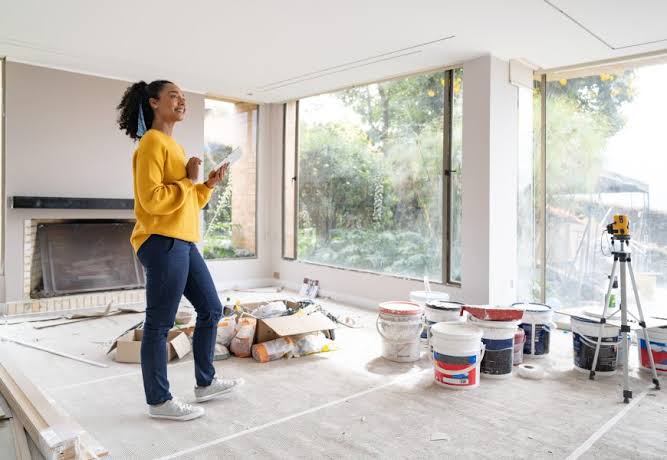
Selling a home often creates an important question for homeowners: Should you renovate before putting the property on the market, or should you sell it as it is and allow the buyer to make their own changes?
There is no single answer because every home, market, and seller situation is different. Some renovations can increase buyer interest, improve the selling price, and help a property stand out. However, not every upgrade provides a good return, and spending too much money before selling can reduce your actual profit.
The smarter approach is to understand which improvements create value, which repairs are necessary, and when it makes more sense to leave renovation decisions to the future homeowner.
Understanding the Purpose of Renovating Before Selling
Renovating before selling is not the same as renovating a home for personal enjoyment. When you improve a house you plan to live in, you usually choose designs, colors, and features based on your own lifestyle.
Before selling, the goal is different. The purpose of improvements should be to:
- Make the home more attractive to potential buyers
- Remove concerns that may lower offers
- Improve the overall first impression
- Highlight the home’s strengths
- Increase buyer confidence
A successful pre-sale renovation focuses on value rather than personal preference. The best improvements are usually simple, practical, and appealing to a wide range of buyers.
When Renovating Before Selling Makes Sense
Certain situations make renovation a smart decision before listing your home.
The Home Has Visible Problems
Major visible issues can immediately discourage buyers. Things like damaged flooring, outdated bathrooms, peeling paint, broken fixtures, or poor lighting can make buyers feel they will need to spend a lot after purchase.
Small repairs can often create a much better impression without requiring a complete renovation.
For example:
- Replacing old cabinet handles
- Repairing damaged walls
- Fixing leaking faucets
- Updating outdated light fixtures
- Repainting rooms with neutral colors
These improvements may not dramatically change the home’s structure, but they can help buyers see the property as well-maintained.
The Home Looks Outdated Compared to Similar Properties
If nearby homes are recently updated and your property looks significantly older, buyers may compare your home negatively.
A dated kitchen or bathroom does not always require a full replacement. Sometimes smaller updates can modernize the space:
- New countertops
- Updated hardware
- Modern backsplash
- Fresh paint
- Improved lighting
The goal is not to create a luxury showroom but to make the home feel clean, comfortable, and move-in ready.
You Are Selling in a Competitive Market
In a market where buyers have many choices, presentation becomes more important. A well-prepared home may attract more attention, receive more visits, and potentially create stronger offers.
Professional photos, good lighting, clean spaces, and minor improvements can make a significant difference when buyers are browsing online listings.
Renovations That Usually Offer Better Returns
Not all home improvements provide the same value. Some projects are more likely to appeal to buyers and recover their cost.
Common high-value improvements include:
Fresh Interior Paint
Painting is one of the simplest ways to refresh a home. Neutral shades can make rooms appear brighter, cleaner, and larger.
Improving Curb Appeal
The exterior is the first thing buyers notice. Simple outdoor improvements can create a positive first impression.
Examples include:
- Landscaping cleanup
- Pressure washing
- Updating the front door
- Repairing pathways
- Improving outdoor lighting
Fixing Functional Problems
Buyers often worry about hidden repair costs. Addressing issues related to plumbing, electrical systems, roofing, or water damage can increase buyer confidence.
A home that appears properly maintained may receive better offers than a property with visible problems.
When You Should Avoid Major Renovations Before Selling
Although renovations can help, large projects are not always the right choice.
You May Not Recover the Full Cost
A common mistake is assuming that every dollar spent on renovation will return as a higher sale price.
For example, a homeowner may spend a large amount creating a luxury kitchen, but buyers in that area may not be willing to pay enough extra to cover the investment.
The final value depends on:
- Location
- Local buyer expectations
- Current market conditions
- Property size
- Comparable homes nearby
Buyers May Want Different Features
Every buyer has different preferences. One person may love modern open spaces, while another may prefer traditional designs.
If you complete a major renovation based on your personal taste, some buyers may still want to change it.
A buyer might think:
“The kitchen is beautiful, but I would have chosen different materials.”
Allowing buyers to customize after purchase can sometimes be more practical.
You Have Limited Time
Renovations can take longer than expected. Delays with contractors, materials, permits, or unexpected problems can push back your selling timeline.
If your priority is selling quickly, focusing on cleaning, repairs, and presentation may be a better strategy.
When Letting the Buyer Renovate Makes More Sense
Sometimes selling the home in its current condition is the better option.
This is especially true when:
- The home requires major structural changes
- The renovation cost is too high
- Buyers in your area prefer customization
- You need a faster sale
- The property already has strong location advantages
Many buyers purchase homes specifically because they want to redesign them according to their own needs.
A property with renovation potential can attract buyers who enjoy remodeling projects or investors looking for opportunities.
The Importance of Knowing Your Target Buyer
Before deciding whether to renovate, consider who is likely to purchase your home.
Different buyers look for different things.
First-time buyers may prefer a move-in-ready home because they have limited renovation experience.
Investors may prefer properties needing improvements because they see potential value.
Families may prioritize practical features like storage, safety, and functional layouts over expensive finishes.
Understanding your likely buyer can help you avoid unnecessary upgrades.
A Balanced Approach: Improve Without Over-Renovating
For many homeowners, the best strategy is not a complete renovation or doing nothing. A balanced approach often works better.
Focus on improvements that:
- Remove visible problems
- Improve cleanliness
- Increase comfort
- Make the home feel maintained
- Appeal to a wider audience
Before spending money, ask yourself:
“Will this improvement help buyers see more value, or is it only improving my personal preference?”
That simple question can prevent unnecessary expenses.
Final Thoughts
Whether you renovate before selling or let the buyer decide depends on your home’s condition, your budget, timeline, and local market.
Small improvements, repairs, and better presentation can often make a home more attractive without requiring a major investment. However, expensive renovations should be carefully considered because buyers may not always value upgrades the same way homeowners do.
The best selling strategy is usually to create a clean, functional, and welcoming home while leaving room for the next owner to add their personal style. A thoughtful approach can help you protect your investment, attract serious buyers, and achieve a better selling experience.