Creating a beautiful outdoor space doesn’t require years of gardening experience or a large budget. With the right approach, even beginners can design a landscape that looks attractive, requires minimal upkeep, and adds value to their home. Landscaping is more than planting flowers or mowing the lawn. It involves planning, selecting suitable plants, managing water efficiently, and maintaining your yard throughout the year.
Many homeowners feel overwhelmed when starting their first landscaping project because there are countless plant varieties, design ideas, and maintenance tasks to consider. Fortunately, a beginner-friendly landscape focuses on simplicity, durability, and long-term sustainability rather than constant maintenance.
This guide covers everything you need to know, from choosing low-maintenance plants and installing irrigation systems to understanding landscaping costs and caring for your yard through every season.
Why Landscaping Matters
A thoughtfully designed landscape improves much more than curb appeal. It creates outdoor spaces for relaxation, increases property value, reduces soil erosion, and can even lower energy bills by providing natural shade around your home.
Benefits of landscaping include:
- Higher home resale value
- Better outdoor living space
- Reduced water runoff
- Improved air quality
- Increased biodiversity
- Lower maintenance costs with proper planning
For beginners, the goal should always be creating a landscape that fits your lifestyle rather than copying elaborate garden designs.
Start with a Simple Landscape Plan
Before buying plants or digging flower beds, spend time planning your yard.
Walk around your property and note:
- Areas receiving full sun
- Shaded sections
- Sloped ground
- Existing trees
- Drainage problems
- Outdoor gathering spaces
- Utility lines
- Water access
Sketch a basic layout of your yard. Mark where you want lawns, garden beds, patios, walkways, shrubs, or seating areas.
Planning first helps prevent costly mistakes later.
Choose Low-Maintenance Landscaping
Low-maintenance landscaping saves time, water, and money without sacrificing beauty.
Instead of filling your yard with plants requiring constant pruning or watering, focus on durable varieties and practical designs.
Some popular low-maintenance ideas include:
Mulched Garden Beds
Mulch suppresses weeds, retains soil moisture, and improves soil health over time.
Popular mulch materials include:
- Bark chips
- Wood mulch
- Pine needles
- Gravel
- Decorative stones
Refreshing mulch once or twice each year significantly reduces maintenance.
Reduce Large Lawn Areas
Lawns often require the most work.
Replacing portions of grass with:
- Gravel paths
- Ground covers
- Native plants
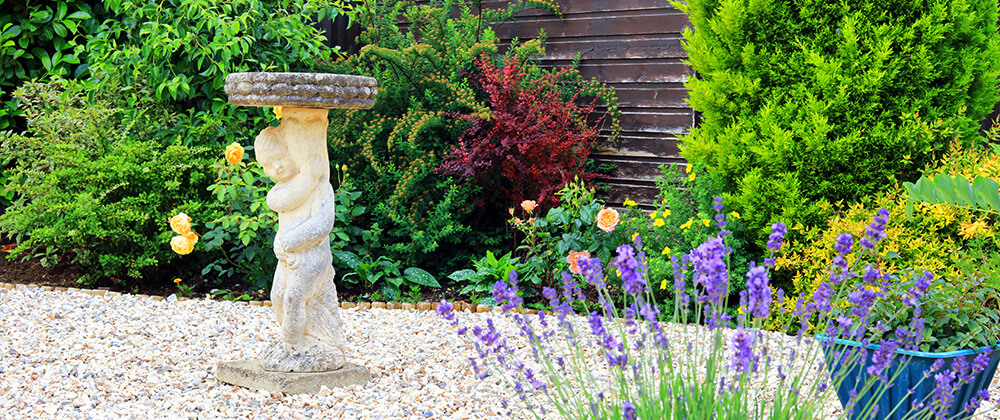
- Decorative rock gardens
- Outdoor seating areas
reduces mowing, watering, and fertilizing.
Use Perennial Plants
Unlike annual flowers that need replacing every season, perennials return year after year.
Examples include:
- Lavender
- Coneflowers
- Black-eyed Susans
- Daylilies
- Salvia
- Russian Sage
These plants offer long-lasting color with minimal effort.
Plant Shrubs Instead of Delicate Flowers
Shrubs create year-round structure and generally require less maintenance than flower beds.
Good beginner shrubs include:
- Boxwood
- Hydrangea
- Juniper
- Spirea
- Viburnum
Why Native Plants Are the Best Choice
Native plants naturally grow in your region, making them one of the smartest landscaping choices for beginners.
Because they’ve adapted to local weather, rainfall, and soil conditions, they usually require:
- Less watering
- Fewer fertilizers
- Minimal pesticides
- Less pruning
- Better resistance to local pests
Native plants also support birds, butterflies, bees, and other beneficial wildlife.
Before purchasing plants, visit a local nursery and ask which native species thrive in your area.
Create Layers in Your Landscape
Professional landscapes often follow a layering technique.
Instead of placing plants randomly, arrange them according to height.
For example:
Back layer:
- Trees
- Tall shrubs
Middle layer:
- Medium shrubs
- Ornamental grasses
Front layer:
- Flowers
- Ground covers
- Border plants
Layering creates depth and makes small yards appear larger.
Consider Ground Covers
Ground covers replace grass in difficult areas while reducing weeds.
Popular options include:
- Creeping thyme
- Clover
- Moss
- Sedum
- Ajuga
- Creeping Jenny
Many ground covers require little mowing and spread naturally over time.
Install an Efficient Irrigation System
Watering by hand works for small gardens but becomes difficult as landscapes grow.
An irrigation system saves time while using water more efficiently.
Drip Irrigation
Drip irrigation slowly delivers water directly to plant roots.
Advantages include:
- Minimal water waste
- Reduced weed growth
- Healthier plants
- Lower water bills
- Less evaporation
This system works especially well for flower beds, shrubs, and vegetable gardens.
Sprinkler Systems
Automatic sprinklers are ideal for lawns.
Modern systems often include:
- Smart timers
- Rain sensors
- Weather monitoring
- Zone controls
These features prevent unnecessary watering.
Soaker Hoses
Soaker hoses offer an inexpensive solution for beginners.
They release water gradually across garden beds without requiring complicated installation.
Watering Tips
Most plants perform better with deep watering once or twice weekly than frequent shallow watering.
Water early in the morning to reduce evaporation and fungal diseases.
Avoid watering during the hottest part of the day.
Outdoor Lighting Enhances Every Landscape
Outdoor lighting makes landscapes safer, more attractive, and usable after dark.
You don’t need expensive lighting systems to make a noticeable difference.
Path Lights
Install lights along:
- Walkways
- Driveways
- Garden paths
They improve visibility while creating a welcoming appearance.
Spotlights
Use spotlights to highlight:
- Trees
- Architectural features
- Water fountains
- Large shrubs
Strategic lighting adds dramatic nighttime appeal.
Deck and Patio Lighting
Soft lighting around seating areas extends outdoor living into the evening.
Popular choices include:
- LED step lights
- String lights
- Wall-mounted fixtures
- Lanterns
Solar Lights
Solar-powered lights require no wiring and have become increasingly reliable.
They’re excellent for beginners wanting affordable landscape lighting.
Understand Landscaping Costs
Landscaping costs vary depending on yard size, materials, and whether you hire professionals.
Typical beginner expenses may include:
Plants
Small plants usually cost less, while mature trees and large shrubs are more expensive.
Starting with younger plants often saves money.
Mulch
Mulch is one of the most affordable landscaping investments because it reduces future maintenance.
Irrigation
Basic soaker hoses are inexpensive.
Drip irrigation systems cost more initially but often reduce long-term water bills.
Automatic sprinkler systems represent a larger investment but add convenience.
Outdoor Lighting
Solar lights are generally budget-friendly.
Professionally installed wired lighting systems cost considerably more but offer greater durability and brightness.
Hardscaping
Walkways, patios, retaining walls, and decorative stone features often represent the largest landscaping expense.
Beginners can complete these projects gradually over several years.
Budget-Friendly Landscaping Tips
Beautiful landscapes don’t require luxury budgets.
Ways to save include:
- Buy smaller plants
- Divide perennials as they grow
- Install mulch yourself
- Use gravel instead of expensive stone
- Shop end-of-season plant sales
- Build garden beds gradually
- Reuse existing rocks and edging
Starting small often produces better long-term results than attempting a complete yard makeover all at once.
Seasonal Landscaping Care
Every season brings different maintenance tasks.
Following a seasonal routine keeps your yard healthy throughout the year.
Spring
Spring is the busiest landscaping season.
Tasks include:
- Remove winter debris
- Apply fresh mulch
- Prune damaged branches
- Plant flowers and shrubs
- Fertilize lawns if needed
- Inspect irrigation systems
- Control early weeds
This is also the ideal time to repair bare lawn patches.
Summer
Hot weather requires careful watering and monitoring.
Summer tasks include:
- Water deeply
- Mow regularly
- Deadhead flowers
- Check irrigation performance
- Monitor pests
- Trim overgrown shrubs
Avoid heavy pruning during extreme heat.
Fall
Autumn prepares landscapes for winter.
Important jobs include:
- Plant trees and shrubs
- Collect fallen leaves
- Aerate lawns
- Add compost
- Divide perennials
- Clean irrigation systems
- Apply winter mulch
Many trees establish stronger root systems when planted in fall.
Winter
Although growth slows, winter still requires attention.
Tasks include:
- Protect sensitive plants
- Remove heavy snow from shrubs
- Inspect trees for broken limbs
- Plan next year’s projects
- Sharpen gardening tools
- Order seeds for spring
Winter planning often leads to better landscaping decisions.
Common Beginner Landscaping Mistakes
Avoiding a few common mistakes can save both money and frustration.
Planting Too Close Together
Young plants look small, but many grow rapidly.
Always follow recommended spacing to prevent overcrowding.
Ignoring Sunlight Requirements
Plants that require full sun may struggle in shade, while shade-loving plants can burn in direct sunlight.
Read plant labels carefully.
Overwatering
Too much water causes root rot and encourages disease.
Check soil moisture before watering.
Choosing High-Maintenance Plants
Exotic or delicate plants often require constant care.
Beginners usually achieve better success with hardy, native varieties.
Forgetting Mature Plant Size
Research how large trees and shrubs will become before planting near buildings or walkways.
Essential Landscaping Tools
You don’t need a professional equipment collection.
Basic tools include:
- Garden gloves
- Shovel
- Hand trowel
- Garden rake
- Pruning shears
- Watering hose
- Wheelbarrow
- Garden fork
- Hose nozzle
Buying quality tools often saves money because they last much longer.
Sustainable Landscaping Practices
Eco-friendly landscaping benefits both homeowners and the environment.
Simple sustainable practices include:
- Collect rainwater
- Compost yard waste
- Plant drought-tolerant species
- Reduce chemical fertilizers
- Use organic mulch
- Choose LED landscape lighting
- Minimize lawn size
- Support pollinators with native flowers
These practices reduce maintenance while conserving natural resources.
Building Your Landscape Over Time
Many beginners assume they must finish their landscaping in one season.In reality, successful landscapes often develop over several years.
Start with foundational elements such as trees, shrubs, irrigation, and pathways. Add flower beds, decorative features, lighting, and seating areas as your budget allows.This gradual approach allows you to learn what works in your yard while avoiding expensive mistakes.
Final Thoughts
Landscaping doesn’t have to be complicated or time-consuming. By starting with a simple plan, selecting low-maintenance and native plants, installing efficient irrigation, and adding practical outdoor lighting, beginners can create an attractive yard that remains beautiful throughout the year.
Focus on sustainability, choose plants suited to your local climate, and complete projects one step at a time. Regular seasonal care, proper watering, and thoughtful planning will help your landscape thrive without requiring endless maintenance.
A well-designed landscape is an investment that pays off through improved curb appeal, increased property value, and a more enjoyable outdoor living space. Whether you’re working with a small backyard or a large front lawn, the best landscaping project is one that matches your lifestyle, budget, and long-term goals.