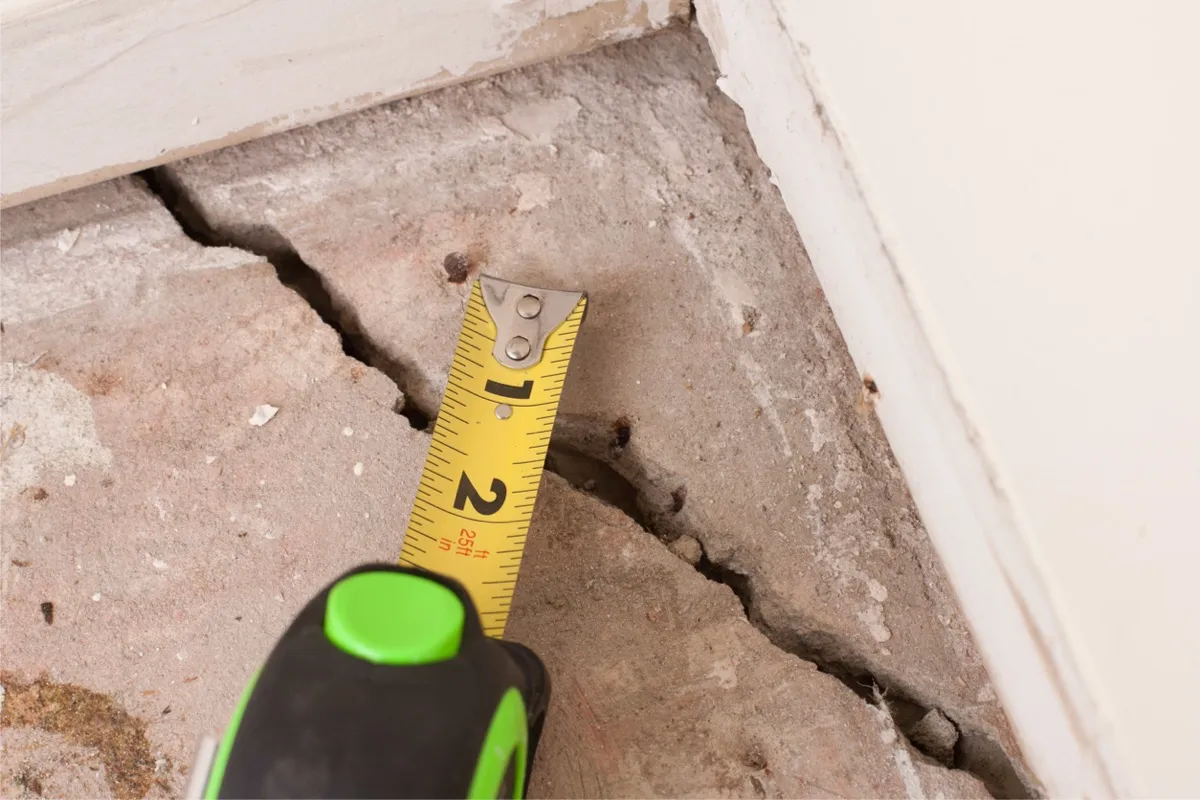
A home’s foundation is responsible for supporting every wall, floor, and roof above it. When cracks appear in the foundation, many homeowners immediately worry about expensive repairs or serious structural damage. While some cracks are harmless and occur naturally as concrete cures or settles, others may indicate underlying problems that require immediate attention.
Understanding the difference between cosmetic and structural foundation cracks can save thousands of dollars and prevent unnecessary panic. More importantly, recognizing warning signs early allows homeowners to address problems before they become severe.
This comprehensive guide explains the common types of foundation cracks, their causes, potential structural risks, available repair methods, estimated repair costs, waterproofing solutions, and practical prevention strategies to help protect your home for years to come.
Understanding Foundation Cracks
Concrete is an incredibly strong building material, but it is not immune to cracking. Nearly every concrete foundation develops small cracks over time due to shrinkage, temperature changes, soil movement, and moisture fluctuations.
Not every crack signals a dangerous structural issue. Some are simply part of the normal aging process, while others indicate significant movement that could threaten the stability of the building.The key is identifying which cracks require monitoring and which demand immediate professional evaluation.
Common Causes of Foundation Cracks
Several factors contribute to foundation cracking, including:
Soil Movement
The ground beneath a home constantly expands and contracts depending on moisture levels. Clay-rich soils are especially problematic because they swell when wet and shrink during dry periods.
This repeated movement places stress on the foundation.
Natural Settling
New homes naturally settle during the first several years after construction. Minor settlement often results in small hairline cracks that are generally not a cause for concern.
Water Damage
Poor drainage allows water to accumulate around the foundation. Excess moisture weakens supporting soil, increasing the risk of settlement and cracking.
Tree Roots
Large trees planted close to the home can absorb significant amounts of groundwater. As soil dries and contracts, portions of the foundation may settle unevenly.
Freeze-Thaw Cycles
In colder climates, water enters tiny cracks and freezes. Ice expands, making existing cracks larger over repeated freeze-thaw cycles.
Construction Issues
Poor soil preparation, inadequate reinforcement, improper concrete mixing, or rushed construction practices may all contribute to foundation problems later.
Types of Foundation Cracks
Not every crack looks the same, and the direction of the crack often provides clues about its cause.
Hairline Cracks
Hairline cracks are very narrow and commonly appear shortly after concrete cures.
Characteristics include:
- Less than 1/16 inch wide
- Usually vertical
- Often cosmetic
- Rarely affect structural integrity
These cracks should still be monitored for changes over time.
Vertical Cracks
Vertical cracks are among the most common foundation cracks.
They often result from:
- Normal settling
- Concrete shrinkage
- Minor soil movement
If they remain narrow and show no signs of widening, they generally pose little structural concern.
Horizontal Cracks
Horizontal cracks are more serious because they often indicate excessive pressure against foundation walls.
Common causes include:
- Expansive soil
- Hydrostatic pressure
- Poor drainage
- Frost pressure
Horizontal cracks should be inspected promptly because they may indicate wall bowing or structural failure.
Diagonal Cracks
Diagonal cracks typically form at approximately a 30 to 75-degree angle.
Possible causes include:
- Uneven foundation settlement
- Soil shifting
- Differential settling
The severity depends on crack width and whether it continues to expand.
Stair-Step Cracks
These cracks commonly appear in brick, block, or masonry foundations.
They follow mortar joints in a stair-step pattern.
Potential causes include:
- Uneven settlement
- Soil movement
- Foundation shifting
Stair-step cracks often deserve professional evaluation.
Wide Structural Cracks
Cracks wider than one-quarter inch may signal significant movement.
Warning signs include:
- Uneven floors
- Sticking windows
- Doors that no longer close properly
- Visible wall movement
These cracks should never be ignored.
Warning Signs of Serious Foundation Damage
Foundation cracks become more concerning when accompanied by additional symptoms.
Watch for:
- Bowing basement walls
- Large gaps between walls and ceilings
- Sloping or uneven floors
- Doors that stick or swing open by themselves
- Windows that become difficult to operate
- Cracks widening over time
- Water entering through foundation walls
- Chimneys pulling away from the house
- Exterior brick cracking
The presence of multiple warning signs usually indicates a larger structural issue.
How Foundation Cracks Are Evaluated
Professional inspectors assess several factors before recommending repairs.
They examine:
- Crack width
- Crack length
- Direction of cracking
- Signs of ongoing movement
- Water infiltration
- Soil conditions
- Drainage around the property
- Overall structural stability
Engineers may also use crack monitors to determine whether cracks continue expanding over time.
Foundation Crack Repair Methods
The best repair depends on the crack’s size, location, and underlying cause.
Epoxy Injection
Epoxy injection is commonly used for structural concrete cracks.
The process involves injecting a high-strength epoxy resin into the crack, bonding the concrete back together.
Advantages include:
- Restores structural strength
- Seals water pathways
- Long-lasting repair
- Suitable for many vertical cracks
Polyurethane Foam Injection
Polyurethane injection is primarily used for waterproofing rather than structural reinforcement.
Benefits include:
- Expands to fill gaps
- Excellent water sealing
- Flexible after curing
- Works well for leaking basement walls
Concrete Patching
Small cosmetic cracks can often be repaired using concrete fillers or patching compounds.
These repairs improve appearance and reduce moisture intrusion but do not address structural movement.
Carbon Fiber Reinforcement
Carbon fiber straps strengthen cracked basement walls without major excavation.
Advantages include:
- High strength
- Minimal disruption
- Prevents further wall movement
- Lower cost than wall replacement
Steel Wall Anchors
For bowing foundation walls, steel anchors help stabilize and gradually straighten the wall over time.
These systems transfer pressure into stable soil away from the home.
Pier Systems
When foundation settlement is severe, contractors may install support piers beneath the foundation.
Common options include:
- Steel push piers
- Helical piers
- Concrete piers
These systems transfer the home’s weight to deeper, more stable soil layers.
Waterproofing After Foundation Repair
Repairing cracks without controlling moisture often leads to recurring problems.
Effective waterproofing solutions include:
Exterior Waterproof Membranes
A waterproof membrane applied to exterior foundation walls prevents groundwater from entering.
This is often the most comprehensive long-term solution.
Interior Drainage Systems
Interior drainage channels collect water entering the basement and direct it toward a sump pump.
These systems reduce hydrostatic pressure against foundation walls.
Sump Pumps
Sump pumps automatically remove collected groundwater before flooding occurs.
Battery backup systems provide protection during power outages.
Proper Grading
The ground around the home should slope away from the foundation.
Proper grading helps rainwater flow away instead of collecting near basement walls.
Downspout Extensions
Downspouts should discharge water at least six to ten feet away from the home whenever possible.
This simple improvement significantly reduces soil saturation.
Foundation Crack Repair Costs
Repair costs vary depending on crack severity, repair method, accessibility, and regional labor rates.
Typical estimates include:
| Repair Type | Estimated Cost |
| Hairline crack sealing | $250–$800 |
| Epoxy injection | $300–$1,200 |
| Polyurethane injection | $400–$1,500 |
| Carbon fiber reinforcement | $700–$2,500 |
| Wall anchors | $1,500–$5,000 |
| Foundation pier installation | $2,000–$10,000+ |
| Full waterproofing system | $2,500–$15,000 |
Costs increase significantly if excavation or extensive structural repairs are necessary.
Can Foundation Cracks Be Repaired Yourself?
Some minor repairs are suitable for experienced homeowners.
DIY projects may include:
- Filling small cosmetic cracks
- Applying masonry sealants
- Installing gutter extensions
- Improving yard grading
- Cleaning drainage systems
However, DIY repairs should never replace professional evaluation when structural movement is suspected.
Improper repairs may conceal serious problems and delay necessary corrective work.
How to Monitor Foundation Cracks
If a crack appears stable, monitoring it can provide valuable information.
Helpful practices include:
- Measure crack width every few months.
- Mark the ends with a pencil and date.
- Photograph the crack regularly.
- Watch for water leakage.
- Note changes after heavy rain or drought.
If noticeable changes occur, schedule a structural inspection promptly.
Preventing Future Foundation Cracks
Preventive maintenance is often less expensive than structural repairs.
Maintain Consistent Soil Moisture
Large moisture fluctuations cause soil expansion and contraction.
During prolonged drought, watering the soil around the foundation moderately may help maintain stability, especially in clay soils.
Keep Gutters Clean
Clogged gutters overflow near the foundation, increasing soil saturation.
Regular cleaning reduces water-related foundation problems.
Improve Drainage
Install drainage systems where necessary to prevent standing water around the home.
French drains, swales, and properly positioned downspouts all improve drainage.
Avoid Overwatering Landscaping
Excess irrigation near the home increases hydrostatic pressure against basement walls.
Water plants carefully without soaking the foundation.
Plant Trees Wisely
Large trees should be planted at an appropriate distance from the home.
Aggressive root systems can alter soil moisture and contribute to settlement.
Inspect the Foundation Annually
A yearly inspection allows homeowners to identify cracks, drainage issues, or moisture problems before they worsen.
When to Call a Foundation Specialist
Professional evaluation is recommended if you notice:
- Horizontal foundation cracks
- Stair-step masonry cracks
- Cracks wider than one-quarter inch
- Bowing basement walls
- Rapid crack growth
- Water entering through cracks
- Sloping floors
- Multiple sticking doors and windows
- Foundation settlement affecting several areas of the home
A licensed structural engineer or experienced foundation contractor can determine whether repairs are necessary and recommend the most appropriate solution.
Conclusion
Foundation cracks are common, but they should never be ignored. Understanding the different types of cracks helps homeowners distinguish between minor cosmetic issues and potentially serious structural concerns. Small vertical cracks may require only routine monitoring or simple sealing, while horizontal, stair-step, or widening cracks often signal the need for professional evaluation.
Modern repair techniques such as epoxy injection, polyurethane foam, carbon fiber reinforcement, wall anchors, and foundation piers provide effective solutions for a wide range of foundation problems. Combining repairs with proper waterproofing, drainage improvements, and regular maintenance greatly reduces the likelihood of future damage.
By identifying issues early, investing in appropriate repairs, and taking preventive measures, homeowners can protect one of the most important parts of their property and maintain a safe, stable home for many years to come.