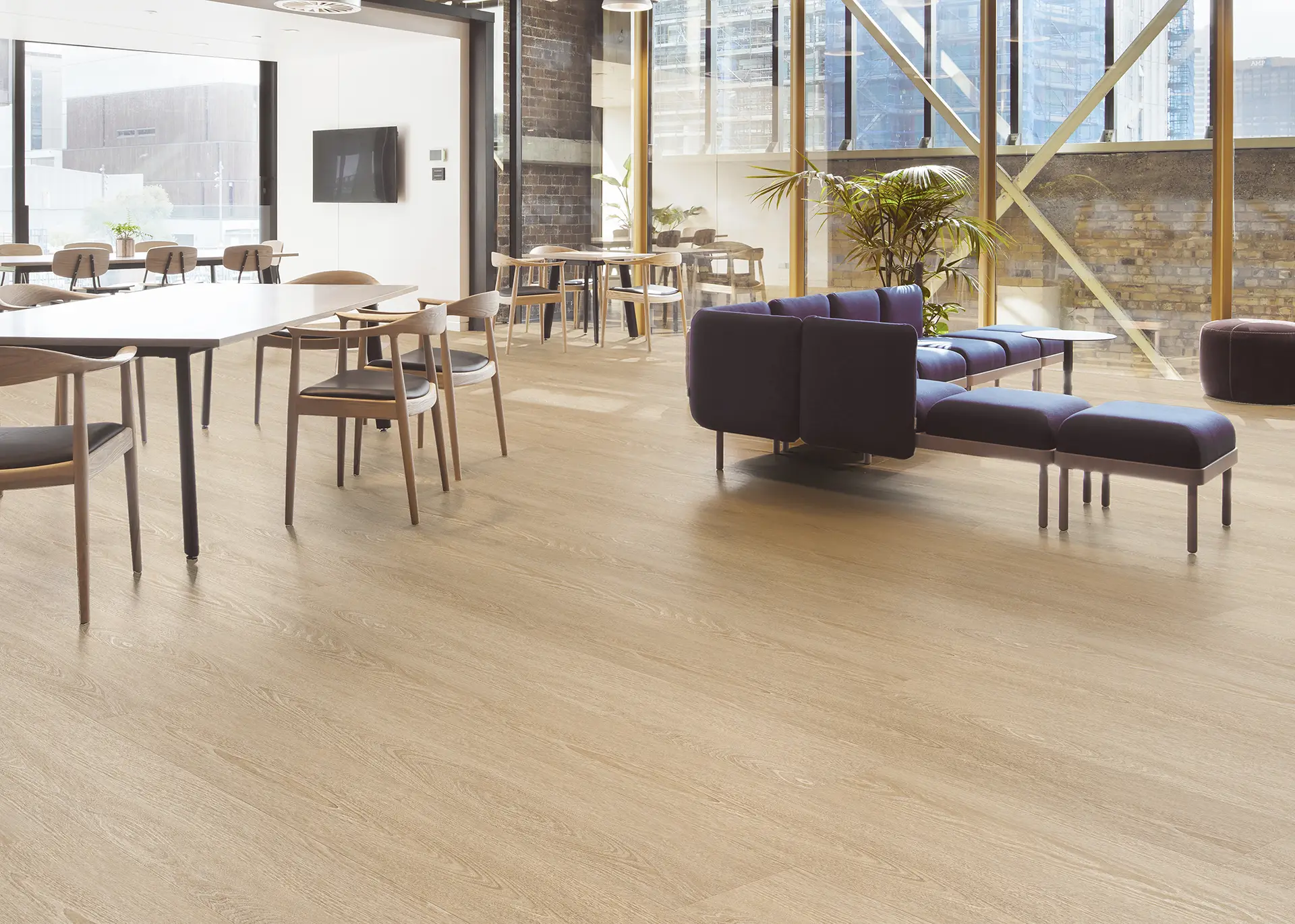
Choosing the right flooring is one of the most important decisions you will make during a home renovation or new construction project. Flooring influences not only the appearance of your home but also its comfort, durability, maintenance needs, and long-term value. With so many options available today, it can be difficult to determine which material is best suited for each room.
Some flooring materials excel in moisture-prone areas, while others create warmth and luxury in living spaces. Factors such as foot traffic, pets, children, maintenance preferences, and budget all play significant roles in selecting the ideal flooring.
This guide compares the most popular flooring types—hardwood, luxury vinyl plank (LVP), laminate, tile, carpet, bamboo, cork, and hybrid flooring—to help you make the best choice for every room in your home.
Why Flooring Choice Matters
Flooring serves as the foundation of every room. The wrong material can wear out quickly, become difficult to maintain, or fail to handle moisture and heavy use.
When selecting flooring, consider:
- Durability
- Water resistance
- Comfort underfoot
- Ease of cleaning
- Installation costs
- Long-term maintenance
- Style and appearance
- Environmental impact
- Budget
Each room has unique demands, making one flooring option better than another depending on the situation.
Hardwood Flooring
Hardwood flooring remains one of the most desirable flooring options because of its timeless beauty and long lifespan.
Advantages
- Elegant natural appearance
- Adds resale value
- Can be refinished multiple times
- Available in many wood species
- Extremely durable with proper care
Disadvantages
- Expensive compared to many alternatives
- Sensitive to moisture
- Scratches from pets and furniture
- Requires periodic refinishing
Best Rooms
Hardwood performs exceptionally well in:
- Living rooms
- Dining rooms
- Bedrooms
- Home offices
- Hallways
Avoid installing hardwood in bathrooms or laundry rooms where standing water may damage the wood.
Luxury Vinyl Plank (LVP)
Luxury Vinyl Plank has become one of today’s fastest-growing flooring choices because it combines affordability with excellent durability.
Modern LVP closely resembles natural hardwood while offering superior moisture resistance.
Advantages
- Waterproof options available
- Pet-friendly
- Scratch resistant
- Comfortable underfoot
- Affordable
- Easy installation
- Low maintenance
Disadvantages
- Cannot usually be refinished
- Lower resale value than hardwood
- Lower-quality products may fade over time
Best Rooms
Luxury vinyl plank works well almost everywhere:
- Kitchens
- Bathrooms
- Basements
- Living rooms
- Bedrooms
- Entryways
- Laundry rooms
Its versatility makes it an excellent whole-house flooring option.
Laminate Flooring
Laminate flooring provides the appearance of hardwood at a much lower cost.
It consists of multiple layers with a photographic wood image protected by a durable wear layer.
Advantages
- Budget-friendly
- Scratch resistant
- Easy installation
- Wide variety of designs
- Minimal maintenance
Disadvantages
- Not fully waterproof unless specially designed
- Cannot be refinished
- May swell when exposed to moisture
Best Rooms
Laminate is ideal for:
- Bedrooms
- Living rooms
- Home offices
- Dining rooms
Avoid traditional laminate in bathrooms unless using waterproof versions.
Tile Flooring
Tile remains one of the most durable flooring materials available.
Ceramic and porcelain tiles resist water, stains, and heavy wear, making them ideal for demanding environments.
Advantages
- Completely waterproof
- Extremely durable
- Easy to clean
- Resistant to scratches
- Long lifespan
- Excellent for radiant heating systems
Disadvantages
- Hard surface
- Cold underfoot
- Professional installation recommended
- Grout requires occasional maintenance
Best Rooms
Tile is perfect for:
- Bathrooms
- Kitchens
- Laundry rooms
- Mudrooms
- Entryways
- Outdoor patios
Porcelain tile is particularly suitable for high-traffic spaces because of its exceptional durability.
Carpet Flooring
Carpet provides warmth, softness, and noise reduction that hard flooring simply cannot match.
Modern carpets come in thousands of textures, colors, and stain-resistant materials.
Advantages
- Comfortable
- Warm during winter
- Reduces noise
- Child-friendly
- Affordable installation
- Wide range of colors
Disadvantages
- Traps dust and allergens
- Difficult to clean stains
- Shorter lifespan
- Requires regular vacuuming
Best Rooms
Carpet works best in:
- Bedrooms
- Family rooms
- Children’s playrooms
- Home theaters
It is generally not recommended for kitchens, bathrooms, or basements with moisture concerns.
Bamboo Flooring
Bamboo flooring has become increasingly popular among homeowners seeking sustainable building materials.
Although technically a grass rather than hardwood, bamboo offers similar appearance and performance.
Advantages
- Eco-friendly
- Attractive appearance
- Durable
- Renewable resource
- Easy maintenance
Disadvantages
- Can scratch
- Sensitive to humidity
- Quality varies significantly between manufacturers
Best Rooms
Bamboo performs well in:
- Bedrooms
- Living rooms
- Dining rooms
- Home offices
Avoid installation in damp areas.
Cork Flooring
Cork flooring offers unique comfort and environmental benefits.
Harvested from cork oak bark, it naturally regenerates without harming the tree.
Advantages
- Soft underfoot
- Excellent insulation
- Reduces noise
- Eco-friendly
- Naturally resistant to mold
- Comfortable for standing
Disadvantages
- Can dent under heavy furniture
- Requires sealing
- Vulnerable to scratches
- Sensitive to excessive moisture
Best Rooms
Cork is ideal for:
- Bedrooms
- Home offices
- Playrooms
- Living rooms
It creates a warm and comfortable walking surface.
Hybrid Flooring
Hybrid flooring combines the best qualities of laminate and luxury vinyl.
It features a rigid waterproof core with highly realistic wood or stone finishes.
Advantages
- Waterproof
- Durable
- Scratch resistant
- Stable in temperature changes
- Easy click-lock installation
- Low maintenance
Disadvantages
- More expensive than laminate
- Limited refinishing options
- Quality depends on manufacturer
Best Rooms
Hybrid flooring works well in nearly every room:
- Kitchens
- Living rooms
- Bedrooms
- Bathrooms
- Hallways
- Basements
Many homeowners choose hybrid flooring for entire homes because of its versatility.
Best Flooring for the Living Room
Living rooms require flooring that balances comfort, beauty, and durability.
Excellent choices include:
- Hardwood
- Luxury Vinyl Plank
- Hybrid flooring
- High-quality laminate
Hardwood creates a luxurious appearance, while LVP and hybrid flooring provide similar aesthetics with easier maintenance.
Best Flooring for Kitchens
Kitchen flooring must withstand spills, dropped cookware, grease, and frequent cleaning.
Top recommendations include:
- Porcelain tile
- Luxury Vinyl Plank
- Hybrid flooring
Water resistance should be the highest priority in kitchen flooring.
Best Flooring for Bathrooms
Bathrooms experience constant moisture and humidity.
The safest choices are:
- Porcelain tile
- Ceramic tile
- Waterproof Luxury Vinyl Plank
- Waterproof hybrid flooring
Traditional hardwood and carpet should generally be avoided.
Best Flooring for Bedrooms
Comfort matters most in bedrooms.
Excellent choices include:
- Carpet
- Hardwood
- Bamboo
- Cork
- Luxury Vinyl Plank
Many homeowners enjoy carpet for its warmth and softness after waking up.
Best Flooring for Basements
Basements often face humidity and occasional moisture problems.
Ideal flooring includes:
- Luxury Vinyl Plank
- Hybrid flooring
- Tile
Avoid hardwood unless the basement remains consistently dry year-round.
Best Flooring for Homes with Pets
Pet owners need flooring that resists scratches, accidents, and heavy foot traffic.
Best options include:
- Luxury Vinyl Plank
- Hybrid flooring
- Tile
- High-quality laminate
Carpet tends to trap pet hair and absorb odors.
Best Flooring for Families with Children
Children create heavy wear from toys, spills, and constant activity.
Recommended flooring includes:
- Luxury Vinyl Plank
- Hybrid flooring
- Cork
- Carpet in bedrooms
These options provide durability while maintaining comfort.
Flooring Cost Comparison
Approximate material costs per square foot:
| Flooring Type | Budget Range |
| Laminate | $1–$4 |
| Carpet | $2–$7 |
| Luxury Vinyl Plank | $2–$7 |
| Bamboo | $3–$8 |
| Cork | $3–$9 |
| Hybrid Flooring | $4–$9 |
| Tile | $3–$15 |
| Hardwood | $6–$20+ |
Installation costs vary depending on labor, room size, and floor preparation.
Maintenance Comparison
Some flooring materials require far less maintenance than others.
Lowest Maintenance
- Luxury Vinyl Plank
- Tile
- Hybrid flooring
Moderate Maintenance
- Laminate
- Bamboo
- Cork
Highest Maintenance
- Hardwood
- Carpet
Routine sweeping and prompt spill cleanup will help extend the lifespan of any flooring.
Which Flooring Lasts the Longest?
Typical lifespan estimates include:
- Tile: 50+ years
- Hardwood: 50–100 years with refinishing
- Hybrid flooring: 20–30 years
- Luxury Vinyl Plank: 15–25 years
- Bamboo: 20–30 years
- Cork: 20–40 years
- Laminate: 15–25 years
- Carpet: 8–15 years
Proper installation and maintenance greatly influence these estimates.
Environmental Considerations
Homeowners increasingly seek sustainable flooring materials.
The most environmentally friendly options include:
- Bamboo
- Cork
- Responsibly harvested hardwood
- Recyclable hybrid flooring products
Look for products certified by recognized environmental organizations and manufacturers that use low-VOC adhesives and finishes to improve indoor air quality.
Tips for Choosing the Right Flooring
Before making a final decision, keep these practical tips in mind:
- Match flooring to each room’s moisture level.
- Consider your household’s lifestyle and activity level.
- Think about future resale value.
- Balance appearance with durability.
- Compare warranty coverage.
- Choose quality underlayment when required.
- Request flooring samples before purchasing.
- Invest in professional installation for complex materials.
Selecting flooring based on long-term performance often saves money by reducing repairs and replacement costs.
Conclusion
There is no single flooring material that works perfectly for every room. Instead, the best choice depends on how each space is used, your budget, and your maintenance preferences. Hardwood remains the premium option for elegance and resale value, while Luxury Vinyl Plank and hybrid flooring deliver impressive durability and water resistance for busy households. Tile excels in wet areas, carpet adds warmth and comfort to bedrooms, and bamboo and cork provide eco-friendly alternatives with unique benefits.
By carefully considering moisture exposure, foot traffic, comfort, durability, and maintenance, you can select flooring that not only enhances the beauty of your home but also performs reliably for many years. Investing in quality materials and proper installation ensures your floors remain attractive, functional, and well-suited to every room in your house.