Buying a newly built home gives many people peace of mind. Fresh materials, modern construction methods, updated building codes, and brand-new systems often make new homes seem like they should remain problem-free for many years.
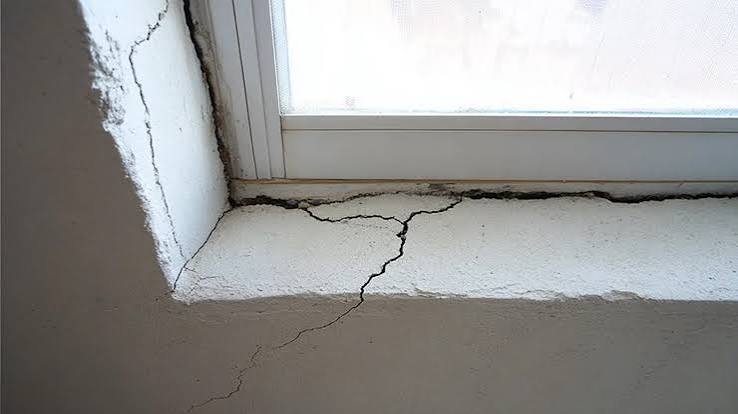
While many new houses perform exactly as expected, not every property lives up to that promise. Some homeowners begin noticing cracks, uneven floors, sticking doors, moisture problems, or even foundation movement within just a few years of moving in. These issues can be frustrating, especially when they appear in a house that is practically new.
The good news is that not every crack or cosmetic defect signals a major structural problem. However, understanding why structural issues can develop early helps homeowners identify warning signs before they become costly repairs.
New Doesn’t Always Mean Perfect
Many people assume that a newly constructed house is free from defects. In reality, every building goes through a settling period after construction. Materials expand, contract, dry, and adjust to their environment.
Minor settling is completely normal. Small nail pops, hairline drywall cracks, and slight adjustments in doors or windows often happen during the first year.
Serious structural problems, however, occur when movement goes beyond normal settling. These issues usually involve the home’s foundation, framing, roof structure, or load-bearing components.
Poor Soil Preparation
One of the leading causes of structural problems starts long before the house is built.
Everything depends on the ground beneath the foundation.
If the soil isn’t properly tested, compacted, or prepared, it may continue shifting after construction is complete. As the ground settles unevenly, different parts of the foundation move at different rates.
This uneven movement can lead to:
- Large foundation cracks
- Sloping floors
- Cracked brickwork
- Doors that won’t close properly
- Windows that become difficult to open
Clay-rich soils are especially challenging because they expand when wet and shrink during dry weather. This constant movement places stress on the home’s structure year after year.
Rushed Construction Schedules
The demand for housing has encouraged many builders to complete projects quickly.
Although experienced builders can maintain quality while working efficiently, rushed construction sometimes results in shortcuts that aren’t immediately visible.
Examples include:
- Concrete not curing properly
- Framing completed before materials fully dry
- Waterproofing installed incorrectly
- Poor fastening of structural components
- Inadequate quality inspections
Small mistakes made during construction may not become noticeable until several seasons have passed.
Foundation Installation Errors
A house is only as strong as its foundation.
Even small mistakes during foundation construction can create long-term structural concerns.
Possible problems include:
- Incorrect reinforcement placement
- Poor concrete mixing
- Inadequate drainage planning
- Improper leveling
- Weak footing installation
A foundation may initially appear stable but begin showing signs of movement after repeated wet and dry seasons.
Water Is Often the Biggest Threat
Water causes more structural damage than many homeowners realize.
Even newly built homes can experience drainage problems if grading around the property wasn’t completed correctly.
Rainwater that collects around the foundation slowly weakens supporting soil. Over time, this movement can affect the entire structure.
Water-related issues may include:
- Basement wall cracks
- Foundation settlement
- Wood rot
- Mold growth
- Damaged support beams
Simple maintenance, such as keeping gutters clean and ensuring downspouts direct water away from the house, can help reduce these risks.
Poor Drainage Around the Property
Drainage problems don’t always become obvious immediately after construction.
Many new neighborhoods continue changing as landscaping matures, nearby lots are developed, and natural water flow changes.
Signs of poor drainage include:
- Standing water after rain
- Soil erosion
- Water pooling near the foundation
- Persistent damp areas
Ignoring drainage issues allows water to repeatedly affect the soil supporting the home.
Framing Lumber Continues to Dry
Wood naturally contains moisture when it arrives at a construction site.
After installation, framing lumber continues drying as it adjusts to indoor humidity levels.
As lumber dries, it may:
- Shrink slightly
- Twist
- Warp
- Bow
Minor movement is expected.
However, poor-quality lumber or improperly stored materials can produce excessive movement that affects walls, ceilings, and floors.
Extreme Weather Conditions
Modern homes are designed to withstand local climate conditions, but unusually severe weather during the first few years can expose weaknesses.
Examples include:
- Heavy rainfall
- Flooding
- Extended drought
- Hurricanes
- Freeze-thaw cycles
- Heat waves
Weather can cause soil expansion, foundation movement, roof stress, and moisture intrusion.
Poor Workmanship
Not every structural problem is caused by materials.
Sometimes the issue is simply poor craftsmanship.
Examples include:
- Incorrect beam installation
- Missing structural connectors
- Improper fastening
- Weak roof framing
- Inaccurate measurements
These mistakes may remain hidden behind drywall until movement begins.
Manufacturing Defects in Building Materials
Construction products undergo quality testing, but defects occasionally occur.
Problems may involve:
- Engineered wood products
- Concrete blocks
- Roof trusses
- Steel connectors
- Fasteners
While uncommon, defective materials can contribute to premature structural failure.
Inadequate Ventilation
Moisture trapped inside walls or roof spaces slowly damages structural components.
Poor ventilation may lead to:
- Rotting wood
- Rusted fasteners
- Mold growth
- Insulation damage
Over several years, excessive moisture weakens structural elements that should remain dry.
Landscaping Can Affect the Foundation
Many homeowners focus on improving curb appeal shortly after moving in.
Unfortunately, some landscaping choices create future structural risks.
Large trees planted too close to the house may:
- Remove moisture from soil
- Cause uneven soil movement
- Allow roots to interfere with foundations
- Affect underground drainage systems
Planning landscaping carefully helps protect the home’s long-term stability.
Warning Signs You Should Never Ignore
Early detection often prevents expensive repairs.
Watch for signs such as:
- Cracks wider than a few millimeters
- Stair-step cracks in brick or block walls
- Uneven floors
- Doors that suddenly stop closing
- Windows that stick
- Gaps around window frames
- Separation between walls and ceilings
- Visible foundation cracks
- Sagging roof lines
One symptom alone doesn’t necessarily indicate serious damage, but multiple warning signs deserve professional evaluation.
How Structural Problems Are Diagnosed
If structural concerns appear, a professional inspection is the best next step.
Depending on the issue, specialists may examine:
- Foundation levels
- Structural framing
- Roof supports
- Drainage systems
- Soil conditions
- Moisture levels
- Crawl spaces
- Basement walls
Modern inspection equipment can often detect movement before severe damage develops.
Can Structural Problems Be Fixed?
In many cases, yes.
The repair method depends on the underlying cause.
Common solutions include:
- Foundation underpinning
- Drainage improvements
- Structural reinforcement
- Crack repair
- Waterproofing systems
- Soil stabilization
- Beam replacement
- Wall reinforcement
Addressing the root cause is far more effective than simply repairing visible cracks.
Protecting Your New Home
Homeowners can reduce the risk of structural issues by staying proactive.
Helpful practices include:
- Keep gutters and downspouts clean.
- Ensure water drains away from the foundation.
- Monitor new cracks as they appear.
- Avoid overwatering landscaping near the house.
- Schedule periodic home inspections.
- Address plumbing leaks quickly.
- Maintain proper grading around the property.
- Review your builder’s warranty for structural coverage.
Small maintenance tasks often prevent much larger repair bills later.
Final Thoughts
A newly built house should provide years of reliable performance, but new construction is not automatically free from structural risks. Soil movement, drainage problems, rushed construction, poor workmanship, weather conditions, and material defects can all contribute to serious issues during the first five years.
Fortunately, most structural problems begin with subtle warning signs rather than sudden failures. Paying attention to cracks, uneven floors, moisture, and drainage gives homeowners the opportunity to act early. Regular maintenance, timely inspections, and prompt repairs can protect both the home’s value and the safety of everyone living inside.
Understanding these risks doesn’t mean every new house is destined to develop structural problems. Instead, it helps homeowners make informed decisions, recognize potential concerns, and keep their investment in excellent condition for many years to come.