A comfortable home starts with good insulation. Whether you’re building a new house or improving an older one, proper insulation can significantly reduce energy bills, improve indoor comfort, and extend the lifespan of your heating and cooling systems. Unfortunately, many homeowners underestimate how much energy is lost through poorly insulated walls, attics, floors, and crawl spaces.
Insulation acts as a protective barrier that slows the transfer of heat. During winter, it helps keep warm air inside your home. In summer, it prevents outdoor heat from entering. As a result, your HVAC system works less, leading to lower utility costs and a more consistent indoor temperature.
This guide explains everything you need to know about home insulation, including the best insulation materials, where insulation matters most, installation costs, and how much energy you can save.
What Is Home Insulation?
Home insulation is a material installed inside walls, ceilings, floors, roofs, and foundations to reduce heat transfer. It creates a thermal barrier that keeps conditioned air inside your home while blocking outdoor temperatures.
Different insulation materials work in different ways, but their primary purpose remains the same: improving energy efficiency.
Besides regulating temperature, insulation also offers benefits such as:
- Lower heating and cooling costs
- Improved indoor comfort
- Reduced outside noise
- Better moisture control
- Increased home value
- Reduced carbon footprint
Understanding R-Value
One of the first terms you’ll encounter when shopping for insulation is R-value.
R-value measures an insulation material’s resistance to heat flow. The higher the R-value, the better the insulation performs.
Recommended R-values vary depending on:
- Climate zone
- Home design
- Building codes
- Location within the home
For example:
- Attics generally require the highest R-values.
- Exterior walls require moderate insulation.
- Floors above unheated spaces need additional thermal protection.
Choosing the correct R-value is just as important as selecting the right insulation material.
Why the Attic Is the Most Important Area to Insulate
Heat naturally rises. During winter, warm air escapes through the roof if the attic lacks sufficient insulation. In summer, the attic becomes extremely hot, transferring heat into your living space.
Because of this, the attic is usually the first place experts recommend upgrading.
Benefits of attic insulation include:
- Lower heating costs
- Reduced air conditioning expenses
- More comfortable indoor temperatures
- Longer HVAC lifespan
- Less strain on roof ventilation
Common attic insulation materials include:
- Fiberglass batts
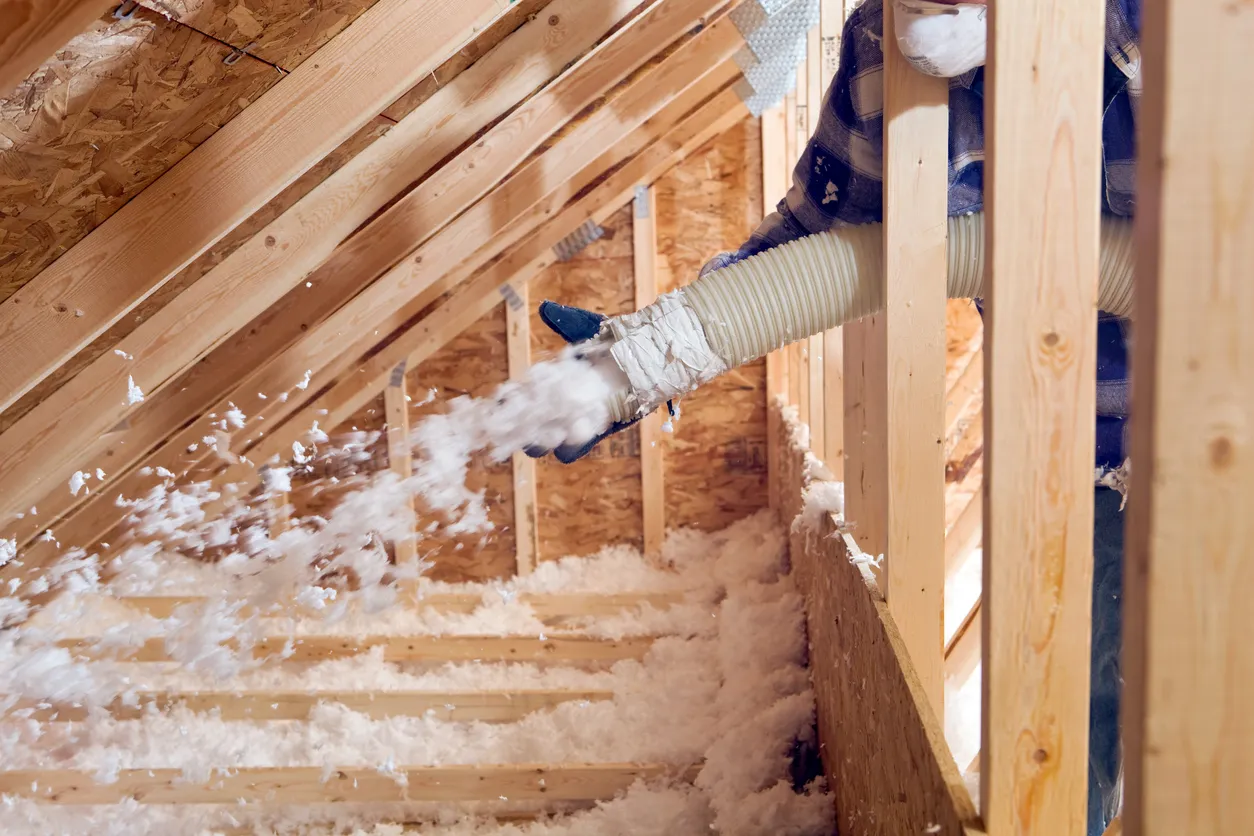
- Blown-in cellulose
- Spray foam
- Loose-fill fiberglass
Many older homes have inadequate attic insulation, making this one of the most cost-effective energy upgrades available.
Wall Insulation
Exterior walls play a major role in keeping indoor temperatures stable.
If wall cavities are poorly insulated, conditioned air escapes while outside temperatures easily penetrate your home.
There are two main approaches:
New Construction
During construction, builders typically install:
- Fiberglass batts
- Mineral wool
- Spray foam
Because wall cavities are open, installation is straightforward.
Existing Homes
Older homes often require retrofit insulation.
Popular methods include:
- Blown-in cellulose
- Dense-pack fiberglass
- Injection foam
These options require only small holes drilled into exterior or interior walls, minimizing disruption.
Proper wall insulation helps eliminate cold spots, reduces drafts, and lowers monthly energy costs.
Floor Insulation
Many homeowners overlook floors, especially those located above garages, basements, or crawl spaces.
Without insulation, cold air from below enters the home, making floors uncomfortable during winter.
Floor insulation provides:
- Warmer flooring
- Better energy efficiency
- Reduced drafts
- Improved comfort
Fiberglass batts remain the most common floor insulation material, although spray foam offers superior air sealing for difficult spaces.
Crawl Space Insulation
Crawl spaces can become major sources of heat loss and moisture problems.
Poorly insulated crawl spaces may lead to:
- Cold floors
- Mold growth
- Higher humidity
- Frozen pipes
- Increased energy bills
There are two common insulation strategies.
Vented Crawl Spaces
Traditional vented crawl spaces often use insulation between floor joists.
Fiberglass batts are commonly installed here.
Encapsulated Crawl Spaces
Modern energy-efficient homes often seal crawl spaces completely.
These systems include:
- Foam board insulation
- Spray foam
- Vapor barriers
- Air sealing
Encapsulation usually offers better long-term performance because it controls both temperature and moisture.
Basement Insulation
Finished basements benefit greatly from insulation.
Insulating basement walls can:
- Improve comfort
- Prevent condensation
- Reduce heating costs
- Protect against moisture damage
Rigid foam board is commonly used because it resists moisture better than fiberglass.
Types of Home Insulation
Several insulation materials are available, each offering different advantages.
Fiberglass Insulation
Fiberglass remains the most popular insulation option in residential construction.
Advantages include:
- Affordable
- Widely available
- Easy installation
- Good thermal performance
- Fire resistant
Disadvantages include:
- Less effective if compressed
- Air leaks reduce performance
- Requires protective clothing during installation
Fiberglass works well in attics, walls, ceilings, and floors.
Spray Foam Insulation
Spray foam has become increasingly popular because it combines insulation with air sealing.
It expands after application, filling gaps, cracks, and hard-to-reach spaces.
Advantages include:
- Excellent air sealing
- High R-value
- Moisture resistance
- Improved structural strength
- Long lifespan
Disadvantages include:
- Higher installation cost
- Professional installation required
- Difficult to remove later
Spray foam is ideal for:
- Attics
- Crawl spaces
- Rim joists
- Irregular wall cavities
Cellulose Insulation
Cellulose is made primarily from recycled paper products treated for fire resistance.
Benefits include:
- Eco-friendly
- Good sound reduction
- Excellent retrofit solution
- Effective for existing walls
It is commonly blown into attics and enclosed wall cavities.
Mineral Wool
Mineral wool offers excellent fire resistance and soundproofing.
Advantages include:
- Water resistant
- Fire resistant
- Good acoustic insulation
- Mold resistant
It costs more than fiberglass but performs exceptionally well in demanding environments.
Rigid Foam Board
Foam board insulation is commonly used on:
- Basement walls
- Exterior sheathing
- Foundation walls
- Crawl spaces
It provides high insulation value while resisting moisture.
Spray Foam vs. Fiberglass
Many homeowners struggle to decide between spray foam and fiberglass.
Fiberglass Advantages
- Lower upfront cost
- Easy replacement
- Widely available
- DIY-friendly
Fiberglass Drawbacks
- Doesn’t fully seal air leaks
- Performance decreases if wet
- Lower overall efficiency
Spray Foam Advantages
- Superior insulation
- Air sealing in one application
- Moisture resistance
- Long-lasting performance
- Higher energy savings
Spray Foam Drawbacks
- More expensive
- Professional installation required
- Longer installation process
Which Is Better?
The answer depends on your budget.
Fiberglass provides excellent value for homeowners seeking affordable insulation improvements.
Spray foam offers maximum efficiency and long-term energy savings, making it attractive for new construction and major renovations.
How Much Does Home Insulation Cost?
Insulation costs vary depending on:
- Home size
- Material
- Labor
- Climate
- Accessibility
General price ranges include:
Fiberglass Batts
- Approximately $0.50–$2.00 per square foot
Blown-In Cellulose
- Approximately $1.00–$2.50 per square foot
Spray Foam
- Approximately $2.00–$7.00 per square foot
Rigid Foam Board
- Approximately $1.50–$4.00 per square foot
A complete insulation upgrade for an average home may cost anywhere from a few thousand dollars to well over $10,000, depending on the scope of work.
Although the initial investment may seem significant, energy savings often offset installation costs over time.
Potential Energy Savings
The biggest reason homeowners upgrade insulation is lower utility bills.
A well-insulated home can reduce heating and cooling costs substantially because HVAC systems operate more efficiently.
Potential benefits include:
- Lower monthly energy bills
- Less HVAC maintenance
- Longer equipment lifespan
- More consistent indoor temperatures
- Reduced environmental impact
Homes with poor insulation often experience noticeable improvements immediately after installation.
Signs Your Home Needs Better Insulation
Many homes show clear warning signs that insulation should be upgraded.
Watch for:
- Uneven room temperatures
- High energy bills
- Drafty rooms
- Cold floors
- Ice dams on the roof
- Hot upstairs rooms during summer
- HVAC system running constantly
- Moisture problems in walls or crawl spaces
If your home was built decades ago, insulation may no longer meet current energy efficiency standards.
DIY vs. Professional Installation
Some insulation projects are suitable for experienced DIY homeowners.
DIY-friendly projects include:
- Installing fiberglass batts
- Adding attic insulation
- Weather sealing around access points
Professional installation is recommended for:
- Spray foam insulation
- Wall retrofits
- Crawl space encapsulation
- Large attic upgrades
- Whole-home insulation projects
Professionals ensure proper coverage, ventilation, moisture control, and compliance with local building codes.
Tips for Maximizing Insulation Performance
Insulation works best when combined with proper air sealing.
Consider these improvements:
- Seal windows and doors
- Caulk cracks around plumbing and wiring
- Install weatherstripping
- Seal attic hatches
- Insulate ductwork
- Repair roof leaks promptly
- Maintain attic ventilation
Together, these upgrades create a more energy-efficient home.
Environmental Benefits
Improved insulation doesn’t just save money—it also benefits the environment.
Reduced energy consumption means:
- Lower greenhouse gas emissions
- Reduced fossil fuel use
- Smaller carbon footprint
- Increased sustainability
Many insulation products also incorporate recycled materials, making them even more environmentally friendly.
Conclusion
Home insulation is one of the smartest investments you can make for comfort, energy efficiency, and long-term savings. Whether you’re insulating an attic, upgrading wall cavities, sealing a crawl space, or choosing between spray foam and fiberglass, the right solution depends on your home’s design, local climate, and budget.
Attic insulation typically delivers the quickest return on investment, while properly insulated walls, floors, basements, and crawl spaces work together to create a more comfortable and energy-efficient living environment. Although materials like spray foam require a higher upfront investment, they can provide exceptional air sealing and lasting performance. Fiberglass remains a dependable and budget-friendly option for many homeowners.
By understanding insulation types, R-values, installation costs, and energy-saving benefits, you can make informed decisions that reduce utility bills, improve indoor comfort throughout the year, and increase the overall value of your home for years to come.